Ottawa Distressed Property Search

Foreclosure & Power of Sale Homes for Sale in Ottawa

Looking for great opportunities in the Ottawa real estate market? Foreclosure and power of sale homes can offer incredible value to savvy buyers, investors, and first-time homeowners alike.

View Current Listings Book a Buyer Consultation
Updated daily from the MLS®
382 properties for sale
The additional criteria set by the agent cannot be changed
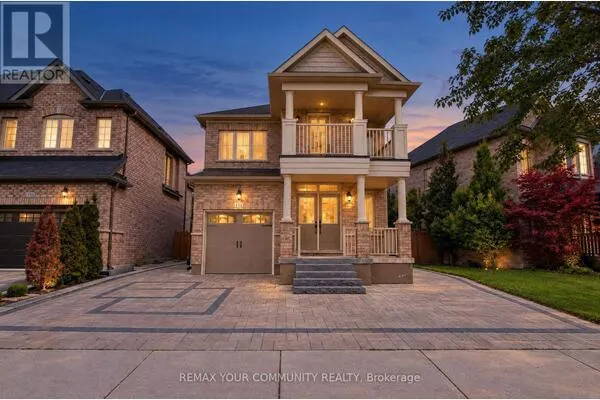
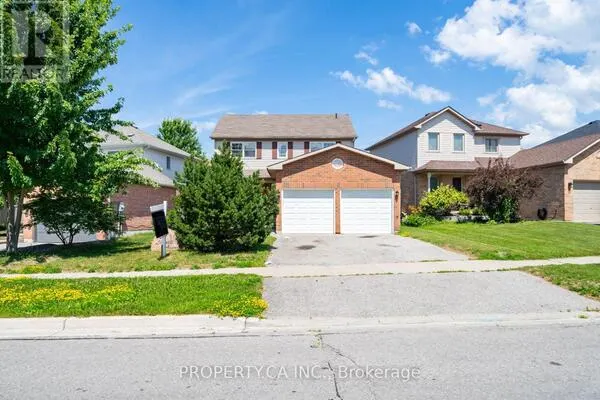
132 MEADOW VISTA CRESCENT
House
4+2 bds 4.5 ba
Listed 6 hours ago
Canadian Real Estate Association
132 MEADOW VISTA CRESCENT
East Gwillimbury, Holland Landing L9N0T4
List $ 1,150,000 New
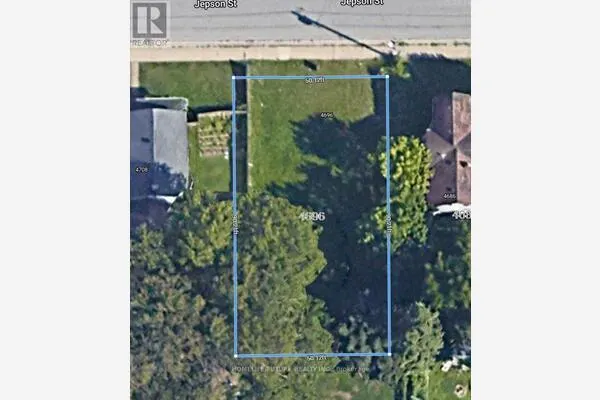
4696 JEPSON STREET
Lots/Land
0 bds 0 ba
Listed 2 days ago
Canadian Real Estate Association
4696 JEPSON STREET
Niagara Falls, Downtown L2E1J6
List $ 279,900 New
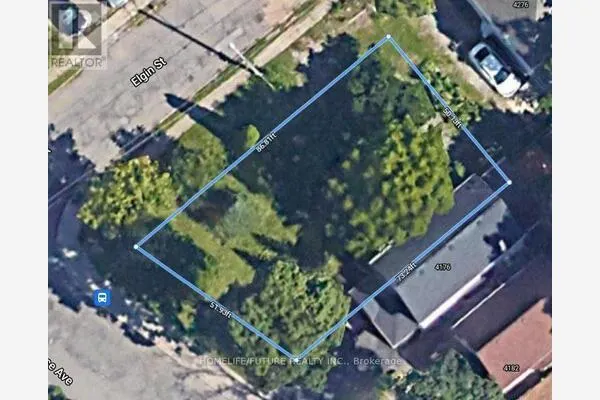
0 TERRACE AVENUE
Lots/Land
0 bds 0 ba
Listed 2 days ago
Canadian Real Estate Association
0 TERRACE AVENUE
Niagara Falls, Downtown L3E3J4
List $ 249,900 New
1002-1004 OXFORD STREET E
Lots/Land
0 bds 0 ba
Listed 3 days ago
Canadian Real Estate Association
1002-1004 OXFORD STREET E
London East, East C N5Y3K7
List $ 499,000 New
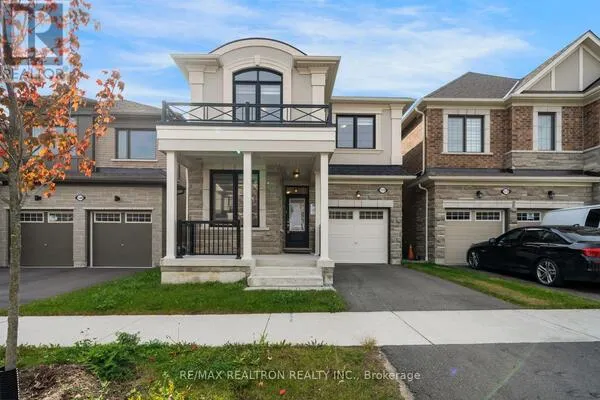
131 KILLINGTON AVENUE
House
4+2 bds 3.5 ba
Listed 3 days ago
Canadian Real Estate Association
131 KILLINGTON AVENUE
Vaughan, Kleinburg L4H3Z6
List $ 999,000 New
51 LEGGOTT AVENUE
House
3 bds 2.5 ba
Listed 3 days ago
Canadian Real Estate Association
51 LEGGOTT AVENUE
Barrie, Painswick North L4N8B1
List $ 584,900 New
1570 SCARLETT TRAIL
House
4 bds 3.5 ba
Listed 3 days ago
Canadian Real Estate Association
1570 SCARLETT TRAIL
Pickering, Rural Pickering L1Z0N9
List $ 969,900 New
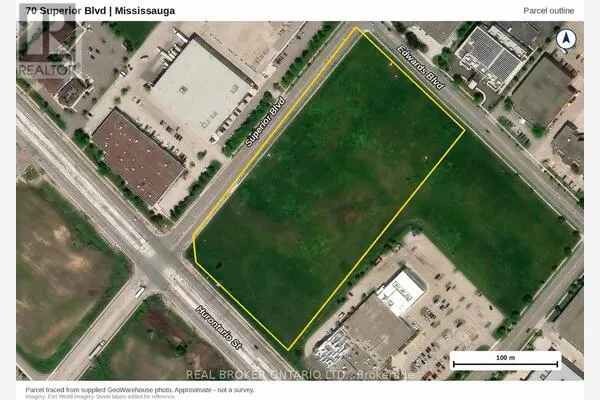
70 SUPERIOR BOULEVARD
Lots/Land
0 bds 0 ba
Listed 3 days ago
Canadian Real Estate Association
70 SUPERIOR BOULEVARD
Mississauga, Gateway L5T2X9
List $ 19,999,000 New
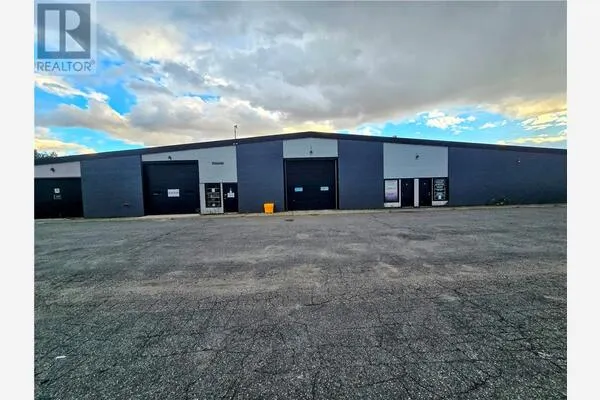
Commercial
0 bds 0 ba
Listed 3 days ago
Canadian Real Estate Association
25 Longyear Drive
Sudbury, N/A P0M1S0
List $ 1,900,000 New
House
3+2 bds 2 ba
Listed 4 days ago
Canadian Real Estate Association
132 BRENTWOOD DRIVE
Brampton, Avondale L6T1R2
List $ 649,000 New
Townhome
1 bds 1 ba
Listed 4 days ago
Canadian Real Estate Association
TH 20 - 7 BUTTERMILL AVENUE
Vaughan, Vaughan Corporate Centre L4K0M5
List $ 379,900 New
Townhome
3 bds 2.5 ba
Listed 4 days ago
Canadian Real Estate Association
181 TARTAN DRIVE
Ottawa, Barrhaven - Heritage Park K2J3S2
List $ 499,900 New
1
2
3
4
5
...
32
Property Details
Ottawa Power of Sale Buyer’s Guide

Buying a Foreclosure or Power of Sale Home in Ottawa

Foreclosure and power of sale in Ottawa at a glance

Almost every “foreclosure” sold in Ottawa is technically a power of sale, not a foreclosure. Under Ontario’s Mortgages Act, a lender whose borrower has defaulted can serve a Notice of Sale and, once the redemption period has run, sell the property to recover what it is owed — while the title stays in the homeowner’s name until closing. A true foreclosure is a court process that transfers ownership to the lender, and it is rarely used here because it is slower and it forfeits the lender’s right to pursue any shortfall. For a buyer, the practical difference is not the price so much as the paperwork: these homes sell as-is, with no seller disclosure and with the lender’s own clauses replacing much of the standard agreement.

Power of sale homes in Ottawa appear on the MLS® alongside everything else. There is no separate list and no private auction — what makes them different is the seller. A lender has never lived in the home, has no idea what is behind the drywall, and will not tell you. In exchange, it is a motivated, unemotional seller with a legal obligation to get the property sold.

That trade can work strongly in your favour, or it can cost you badly, and which one it turns out to be is usually decided before you sign the offer rather than after. Below is what the process actually looks like in Ontario, what changes in the agreement of purchase and sale, and the things worth checking on an Ottawa property before you commit.

The Basics

What Is a Power of Sale in Ontario?

In Ontario, a power of sale occurs when a lender sells a property after the homeowner defaults on their mortgage. Unlike a foreclosure (which transfers ownership to the lender), a power of sale keeps the title with the homeowner—but the lender has the right to sell it to recover funds.

For buyers, this usually means:

  • Faster closing timelines
  • Opportunity to buy below market value
  • Properties often sold “as-is,” with less flexibility for repairs or conditions

How the process runs

The right to sell comes from the mortgage itself and from Ontario’s Mortgages Act, and it follows a fixed sequence. The timelines below are the statutory defaults — individual mortgages and second charges can differ, and a borrower who brings the loan current at any point stops the process.

Default→ 15-day waiting period→ Notice of Sale served→ 35-day redemption period→ Property listed for sale→ Sold & proceeds applied

Where the money goes

The sale proceeds pay the mortgage, accrued interest and the lender’s enforcement costs first, then any subsequent charges registered on title. Anything left over belongs to the former homeowner. If the sale does not cover the debt, the lender can generally pursue the borrower for the shortfall — which is precisely why lenders in Ontario choose power of sale over foreclosure, and why they are not free to dump a property at any price.

This is a plain-English summary, not legal advice. Power of sale is governed by the Mortgages Act and by the terms of the individual mortgage, and the details matter. Speak to your own real estate lawyer about any specific property before you sign anything — and if you are the homeowner in default, get independent legal advice immediately rather than relying on a page written for buyers.

Know What You’re Buying

Power of Sale vs. Foreclosure vs. Other Distressed Sales

“Foreclosure” is the word buyers search for, and it is the word most Ottawa listings get described with informally. In practice four different things end up in that bucket, and the seller you are dealing with changes what you can negotiate.

🏦

Power of sale

By far the most common in Ontario. The lender sells under the power in the mortgage; the borrower keeps title until closing and keeps any surplus.

What it means for you:

  • Sold as-is, no seller disclosure
  • Lender’s Schedule A replaces standard clauses
  • Lender must take reasonable steps to obtain fair market value
  • The borrower can still redeem before the sale completes
⚖️

Foreclosure

A court proceeding that ends with title vesting in the lender. Rare in Ontario, because it is slow and the lender gives up the right to chase a shortfall.

What it means for you:

  • The lender is now the registered owner
  • Any resale is a normal sale by an institutional owner
  • Still as-is, still no disclosure
  • Timelines run on the court’s schedule, not the market’s
🏛️

Court-ordered & judicial sale

Sale supervised by the court — sometimes a judicial sale under a mortgage, sometimes a partition and sale ordered in a family or estate dispute.

What it means for you:

  • The agreement may be conditional on court approval
  • Closing dates can move, sometimes considerably
  • Deposit terms are usually strict
  • Your lawyer’s involvement matters more than usual
🗝️

Estate & trustee sales

Not distressed, but they behave the same way at the offer table: the seller is an executor, trustee or attorney who never occupied the property.

What it means for you:

  • As-is, with limited or no representations
  • May need probate before it can close
  • Chattels and appliances frequently excluded
  • Often overlooked by buyers, which can help you

The short version

If an Ottawa listing is described as a foreclosure, bank-owned or a distressed sale, it is almost certainly a power of sale. Ask the listing brokerage to confirm which it is before you write, because the answer determines who signs the agreement, what the lender’s schedule says, and whether the current occupant has any remaining right to stay.

The Upside

Benefits of Buying a Foreclosure or Power of Sale Home

The advantage is rarely a headline discount. It is that you are negotiating with an institution that wants the file closed, on a property most buyers scroll past because it needs work — and that combination is where the value sits.

💰

Potential savings on purchase price

Condition, limited marketing and a seller with no emotional attachment can all move the number. The saving is usually measured in tens of thousands rather than halves, but on an Ottawa detached home that is still a meaningful sum.

🔨

Opportunity to build equity through renovation

Most of these homes are priced against their current condition. If the bones are sound and the problems are cosmetic, the gap between what you pay and what the finished house is worth is yours to capture.

📍

Access to neighbourhoods otherwise outside your budget

A tired house on a good Ottawa street is often the only realistic way into that street. Location cannot be renovated; almost everything else can.

📈

Ideal for investors, flippers, and first-time buyers with vision

If you can see past the finishes and you have a realistic renovation budget, you are competing against a much smaller pool of buyers than you would be on a move-in-ready listing.

⏱️

A decisive, unemotional seller

No renovation stories, no attachment to the kitchen, no waiting three days for a decision. Lenders reply on business terms, and a clean, well-structured offer carries real weight.

🔍

Less competition on the harder files

Properties that are occupied, need financing gymnastics, or simply photograph badly get far fewer showings. That is where the genuine opportunities tend to hide.

Is This the Right Search?

Who Power of Sale Homes Suit Best

These purchases reward preparation and punish improvisation. If most of the following describe you, this is a search worth running:

  • You have a renovation budget separate from your down payment
  • You can close without needing to sell something first
  • Your financing is arranged, not assumed
  • You are comfortable buying without a seller disclosure statement
  • You can move quickly when the right file appears
  • You have a lawyer lined up before you offer, not after
  • You are buying to renovate, hold or invest
  • A cosmetic disaster does not scare you off a sound house

If that is not you, that is useful information too. If you need a home that is ready to live in on closing day, or your budget has no contingency in it, a well-kept conventional listing will almost always serve you better than a discounted problem. I would rather tell you that early than sell you the wrong house.

Before You Make an Offer

What to Watch Out For

While foreclosure homes can be great deals, they’re not always simple purchases.

  • Homes are usually sold as-is
  • The seller (bank) may not provide warranties or disclosure statements
  • Some repairs or maintenance may be needed before move-in

That’s why it’s important to work with an experienced Ottawa REALTOR® who understands how these transactions work and can help you navigate them confidently. These are the issues that come up most often on Ottawa files.

The lender’s schedule rewrites the deal

Power of sale offers come with the lender’s own schedule attached, and it typically deletes or amends a good deal of the standard agreement — representations and warranties, chattels, survey obligations, and sometimes the ability to assign.

What to do: get the schedule in advance and send it to your lawyer before you write, not after. It is not negotiable in the way a private seller’s terms are, but you need to know what you are accepting.

No disclosure means no recourse

The lender has never occupied the property, so there is no Seller Property Information Statement and no meaningful answer to “has the basement ever leaked?” Anything you do not discover, you own.

What to do: treat the inspection as the disclosure. Budget for a more thorough one than usual, and consider bringing in a trade for anything the inspector flags but cannot open up.

Utilities may be shut off

An inspection with no water, no power and no heat cannot test the furnace, run the plumbing, check for leaks under pressure or confirm the electrical panel works. Winter vacancy adds frozen and burst pipes to the list.

What to do: ask whether services can be turned on for the inspection. If they cannot, price that uncertainty into the offer rather than hoping.

Occupancy is not guaranteed

Some of these properties are still occupied by the former owner or by tenants at the time of sale. Vacant possession is a legal question, not a courtesy, and it can add time and cost after closing.

What to do: confirm occupancy status in writing before offering, and have your lawyer address vacant possession in the agreement.

Title, arrears and liens

Unpaid property taxes, utility arrears, condominium common expenses, construction liens and executions against the former owner can all be sitting on title. Most are dealt with on closing — but only if someone looks for them.

What to do: full title search, a status certificate on any condo, and title insurance. This is your lawyer’s job; make sure they know it is a power of sale.

Financing and insurance are harder

Lenders are more cautious about as-is properties, appraisals can come in short on a home in poor condition, and insurers are reluctant to bind coverage on a vacant house without a vacancy permit — and you cannot close without insurance.

What to do: talk to your mortgage broker and your insurance broker about the specific property, not about the concept, before your conditions expire.

Stripped fixtures and deferred maintenance

Appliances, light fixtures, furnaces, copper piping and even cabinetry occasionally leave with the previous occupant. The lender is not going to replace them and will not warrant that anything is still there on closing.

What to do: view the property as close to closing as the agreement allows, and confirm your pre-closing visit rights in writing.

The deal can still fall apart late

A borrower can redeem the mortgage up until the sale completes, and a lender operating under a duty to obtain fair value may keep the property exposed to the market longer than a private seller would.

What to do: do not give notice on a rental, book movers or schedule renovations until your lawyer confirms the deal is firm and closing.

None of the above replaces professional advice. This is what I would flag walking through a power of sale property with you — it is not a home inspection, a title opinion, or legal or financial advice. Retain your own qualified home inspector and your own real estate lawyer, and speak to your lender and insurer about the specific property before your conditions expire.

Setting Expectations

Foreclosure Myths, Corrected

Most of what buyers believe about foreclosures in Canada is imported from American television. Ontario works differently, and the differences are the ones that cost people money.

📺

“Foreclosures are everywhere”

True foreclosure is uncommon in Ontario. Lenders overwhelmingly use power of sale because it is faster and preserves their right to pursue a shortfall. The volume of genuinely distressed listings in Ottawa at any given moment is small.

🏷️

“You’ll buy it for half price”

A lender exercising power of sale has a duty to take reasonable care to obtain a proper price for the property. That duty is exactly why fire-sale pricing is rare — and why the real opportunity is usually in condition, not in the list price.

🔒

“There’s a secret foreclosure list”

There is no members-only list in Ottawa. These properties are listed on the MLS® like everything else. What people actually want is to hear about them the day they appear — which is a saved search, not a secret.

✅

“The bank has to accept my offer”

It does not. Lenders routinely counter, hold for other offers, or take a lower price on cleaner terms. Power of sale listings can and do see multiple offers, particularly in the entry-level price bands.

🧰

“They’ll fix it before closing”

They will not. As-is means as it stands on closing day, including anything that breaks between your offer and your keys. Holdbacks and repair credits are far harder to negotiate than on a conventional sale.

🔎

“You can’t inspect a power of sale”

Usually you can. What you may not get is a fully functional house to inspect, or a long conditional period in a competitive situation. Book the inspection early and use an inspector who can attend on short notice.

The Process

How to Buy a Power of Sale Home in Ottawa

The order matters more here than on a conventional purchase, because the parts you would normally sort out during a conditional period are the parts that get compressed or removed.

1

Get your financing genuinely arranged

Not a rate hold — a conversation with your broker or lender about buying a property in unknown condition, possibly vacant, possibly needing work before it is habitable. Ask specifically whether they will lend on an as-is purchase and what an appraisal shortfall would mean for your deposit.

If a renovation is part of the plan, ask about purchase-plus-improvements financing at the same time. It is far easier to arrange before you have an accepted offer than during a five-day condition.

2

Line up your lawyer and your inspector first

You want a real estate lawyer who has read a lender’s schedule before, and a home inspector who can attend on two days’ notice. Both need to exist before you find the property, because the timeline on these files does not wait for you to go shopping for professionals.

3

Get the schedule and the occupancy status before you write

Request the lender’s schedule, confirmation of whether the property is vacant, and whether utilities can be activated for an inspection. These three answers change the offer you should write — and occasionally they tell you not to write one at all.

4

Structure the offer around certainty

Lenders weigh terms heavily, not just price. A clean deposit, a realistic closing date and short, specific conditions often beat a higher number with a long financing condition attached. What you should not do is waive an inspection on a property nobody can tell you anything about.

5

Use the conditional period properly

Inspection, financing confirmation on that specific address, an insurance quote, and title work all happen here. On a condominium, add the status certificate and read it. On a rural or semi-rural Ottawa property, add the well and septic.

6

Plan for closing day, not moving day

Budget for the possibility that the house needs work before anyone can live in it, that the locks need changing, and that anything that could have been removed has been. Then confirm with your lawyer that the deal is firm before you commit to a single date.

One Ottawa-specific note on closing costs

Ottawa buyers pay Ontario land transfer tax only — there is no additional municipal land transfer tax here as there is in Toronto, and the provincial first-time buyer refund still applies if you qualify. That does not change on a power of sale purchase. What can change is everything else: legal fees on a more complex file, title insurance, a vacancy permit on the insurance side, and the repair budget. Confirm the numbers with your own lawyer and lender for your situation.

Move First

Get Alerts for New Power of Sale Listings

Because foreclosure opportunities move quickly, many sell before the general public even notices. Sign up below to receive instant email alerts when new foreclosure or power of sale homes hit the Ottawa MLS®.

How do I find foreclosure listings in Ottawa?

Foreclosure and power of sale properties in Ottawa are listed on the MLS® the same way any other home is — there is no separate registry and no private list to buy access to. They are simply harder to filter for, because the wording that identifies them appears in the listing remarks rather than in a searchable field. The practical way to find them is a saved search set up by a REALTOR® who can screen the remarks daily and send the matches directly, so you see a new file the day it lists rather than after it has been picked over.

Tell me your area, price range and what condition you are willing to take on, and I will set the search up and send you the ones that actually fit — not every distressed listing in the city.

Get Listing Alerts Book a Buyer Consultation

If You’re the Homeowner

Facing Power of Sale on Your Own Home?

If you have received a Notice of Sale, or you are behind on your mortgage and can see where it is heading, the single most valuable thing you have is time. Selling on your own terms, before a lender takes carriage of the sale, almost always produces a better result than the alternative — and it keeps any equity in the property where it belongs.

That conversation is confidential, and it does not commit you to listing. Sometimes the answer is a sale. Sometimes it is a refinance, a payment arrangement, or a conversation with your lender that has not happened yet.

What it should not be is waiting and hoping. The redemption period is short, and enforcement costs get added to what you owe.

Get a Free Home Evaluation

Related resources

Get independent legal advice. If a lender has started enforcement against you, speak to a lawyer — and to a licensed insolvency trustee or a non-profit credit counsellor if debt is the wider issue. I am a REALTOR®, not a lawyer or a financial advisor, and this page is not advice about your situation.

Where I Work

Serving Ottawa & Nearby Communities

Distressed listings turn up across the region, not just in the older core — some of the most interesting files in recent years have been suburban and rural. I search all of it:

Explore Affordable Alternatives

Looking for great deals under $500K? Check out our Homes Under $500K in Ottawa page for move-in-ready options that won’t break your budget — or the Ottawa bungalow search if a one-level home with renovation upside is closer to what you had in mind.

Frequently Asked Questions

Ottawa Foreclosures & Power of Sale, Answered

What is the difference between a power of sale and a foreclosure in Ontario?

In a power of sale, the lender sells the property to recover the mortgage debt while the title stays in the homeowner's name until closing, and any surplus after the debt and costs belongs to the former homeowner. In a foreclosure, the lender applies to the court and title is transferred to the lender, which then owns the property outright. Ontario lenders overwhelmingly use power of sale because it is faster and because a foreclosing lender gives up the right to pursue the borrower for any shortfall. Almost every Ottawa listing described as a foreclosure is in fact a power of sale.

How long does the power of sale process take in Ontario?

Under Ontario's Mortgages Act the lender must generally wait until the default has continued for 15 days before serving a Notice of Sale, and the notice then gives the borrower a redemption period of at least 35 days before the property can be sold. In practice the property is usually listed after that period expires, so the earliest a home reaches the market is roughly seven to eight weeks from the missed payment, and it is often considerably longer. The mortgage itself can set different terms, so confirm the specifics with a lawyer.

Are foreclosure homes in Ottawa actually cheaper?

Sometimes, but not by the margins buyers expect. A lender exercising power of sale has a duty to take reasonable care to obtain a proper price for the property, which rules out the fire-sale pricing people associate with American foreclosures. The saving usually comes from condition rather than from the list price: these homes are priced as they stand, and if the problems are cosmetic rather than structural, the gap between the purchase price and the finished value is where the opportunity lies. Competitive offers on well-located power of sale listings are common in Ottawa.

Can I get a home inspection on a power of sale property?

In most cases yes, and you should. The complication is that the utilities may be shut off, which means the inspector cannot test the furnace, run the plumbing under pressure, or verify the electrical system. Ask the listing brokerage whether services can be turned on for the inspection, and if they cannot, treat everything untested as an unknown and price the offer accordingly. Never waive an inspection on a property that comes with no seller disclosure.

Do power of sale homes come with a seller disclosure statement?

No. The lender has never occupied the property and has no knowledge of its history, so there is no Seller Property Information Statement and the lender's schedule to the agreement typically removes the usual representations and warranties. The property is sold as-is, where-is. Whatever you do not discover before your conditions expire becomes your responsibility on closing, which is why the inspection and the title search carry far more weight on these files than on a conventional purchase.

Can the homeowner stop the sale after I have an accepted offer?

It is possible. The borrower's right to redeem the mortgage — to pay the arrears, interest and enforcement costs and stop the process — continues until the sale is completed. It does not happen often, but it does happen, usually when a refinance comes through late. Practically, this means you should not give notice on a rental, book movers or schedule renovation trades until your lawyer confirms the transaction is firm and proceeding to closing.

Will there be liens or unpaid taxes on a power of sale property?

There can be. Property tax arrears, utility arrears, condominium common expense arrears, construction liens and executions registered against the former owner all turn up on these files. Most are resolved on closing out of the sale proceeds, but that only happens if your lawyer finds them, so a full title search is essential and title insurance is strongly advisable. On a condominium, order and actually read the status certificate during your conditional period.

Can I get a mortgage on a foreclosure or power of sale home?

Usually, but arrange it before you offer rather than after. Lenders are more cautious about properties sold as-is, an appraisal can come in below the purchase price if the condition is poor, and a home that is not currently habitable may not qualify for standard financing at all. Speak to your mortgage broker about the specific address, and ask about purchase-plus-improvements financing if a renovation is part of your plan. Insurance is the other common obstacle: insurers are reluctant to cover a vacant property without a vacancy permit, and you cannot close without coverage in place.

Is the property vacant when I buy it?

Not always. Some power of sale properties are still occupied by the former owner or by tenants when they are listed, and vacant possession on closing is a legal question rather than something the lender simply arranges. Confirm the occupancy status in writing before you write an offer, and have your lawyer address vacant possession in the agreement. An occupied property is not automatically a bad purchase, but it is a different purchase, and the cost and timing of resolving it should be in your numbers.

How do I find foreclosure and power of sale listings in Ottawa?

They are on the Ottawa MLS® alongside every other listing — there is no separate registry, and any site charging for access to a "foreclosure list" is selling you public information. The difficulty is that the wording identifying them sits in the listing remarks rather than in a searchable field, so they are easy to miss. Get in touch and I will set up a saved search screened daily against your area, price range and condition tolerance, so the ones that actually fit reach you the day they list.

I'm behind on my mortgage — should I sell before the lender does?

Often, yes. Selling on your own terms before a lender takes carriage of the sale generally produces a better price, gives you control over timing, and protects whatever equity is in the property, because enforcement costs and legal fees are added to what you owe once the process starts. It is not the right answer for everyone, and a refinance or an arrangement with your lender may be a better path. Get independent legal advice first, and if debt is the wider issue, speak to a licensed insolvency trustee or a non-profit credit counsellor.

Considering a sale of your own rather than a purchase? See the complete guide to reasons people sell their homes in Ottawa

No Obligation

Let’s Look at the Ones Worth Looking At

Most distressed listings are not the opportunity they appear to be, and a few of them genuinely are. The difference is usually visible before you write an offer, if someone knows what to check.

Send me what you are looking for and I will set up the search, screen the remarks daily, and give you an honest read on each one — including the ones I would tell you to walk away from.

Get Listing Alerts Book a Buyer Consultation
DailyListings screened from the MLS®
No PressureHonest advice, no obligation
12 YearsDedicated, local REALTOR®