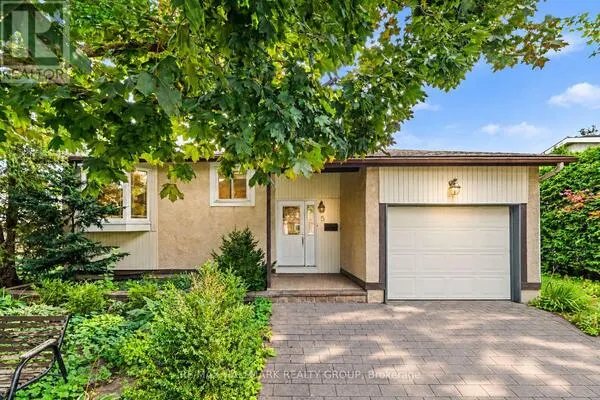
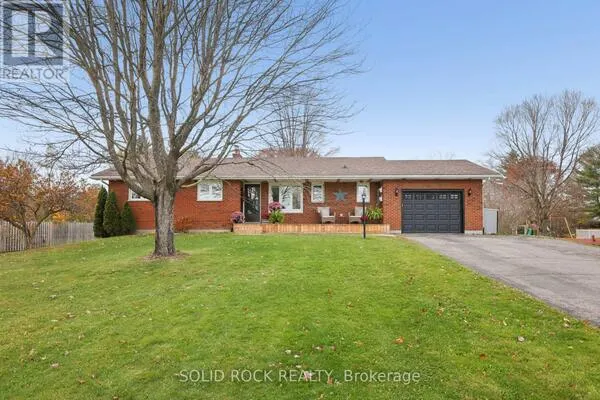
Looking for a home without stairs? Ottawa’s bungalow market offers comfort, convenience, and timeless appeal.
View Current Bungalow Listings Book a Private ViewingThese one-level homes are perfect for downsizers, retirees, or anyone seeking easy living without sacrificing space or style. Whether you prefer a cozy suburban lot, a modern new build, or a spacious rural property, there’s a bungalow for every lifestyle and budget. Browse below for the latest Ottawa bungalows for sale, updated daily from the MLS®.
Scroll past the listings for the full Ottawa bungalow buyer’s guide — types, prices by area, and what to check before you offer.
House
House
House
House
House
House
House
House
A bungalow is a single-storey detached home with all of its main living space — bedrooms, kitchen, bathrooms and living areas — on one level, usually over a full basement. In Ottawa they range from post-war starter bungalows in established inner-suburban neighbourhoods such as Alta Vista, Elmvale Acres and Carlington, through to large executive builds on acreage in Manotick, Greely and Carleton Place. Buyers choose them for barrier-free living, wide open main floors, larger-than-average lots, and basements that convert well into in-law or secondary suites.
Bungalows are one of the most competitive segments of the Ottawa market, and for a reason: they are the only home type that works equally well for a young family that wants a big lot, a couple planning to age in place, and a household that needs a self-contained suite for a parent or an adult child. Supply is limited — most of Ottawa’s bungalow stock was built between the 1950s and the 1970s and very little new single-storey product gets built inside the Greenbelt — so the good ones move quickly.
Below is what I’d want you to know before you write an offer on one: how the different bungalow types actually differ, what each area costs, where to search first, and the specific things that go wrong in an older Ottawa bungalow.
The short answer is that a bungalow removes a constraint most other homes impose. Everything you use daily sits on one floor, the footprint is wider so the main living space feels larger than the square footage suggests, and the lot underneath is usually bigger than anything comparable in a newer subdivision. That combination is why bungalows hold their value even in slower markets.
No stairs, ideal for accessibility and aging in place. Bedrooms, kitchen, laundry and a full bathroom all sit on the same floor, which is what makes a bungalow work long after a two-storey stops working.
Open-concept main floors are easier to achieve in a bungalow than in any other home type, because there is no second storey overhead requiring load-bearing walls in awkward places.
Mature neighbourhoods and larger-than-average lots. A bungalow needs more ground to sit on, so the same interior space comes with more land — and the trees around it have had decades to grow.
Easier maintenance and cleaning. Gutters, windows and siding are all reachable from a standard ladder, and there is no stairwell to navigate with furniture, vacuums or laundry.
Excellent long-term resale value. The buyer pool for a well-kept bungalow includes downsizers, young families and multigenerational households at once — three demand streams instead of one.
A full basement under a wide footprint is the easiest kind of space to convert into an in-law suite or a legal secondary unit, subject to the City’s permit and building code requirements.
“Bungalow” gets used loosely on listings, and the differences matter — both for how the home lives day to day and for what it’s worth. Four types come up repeatedly in Ottawa, and only two of them are true single-storey homes.
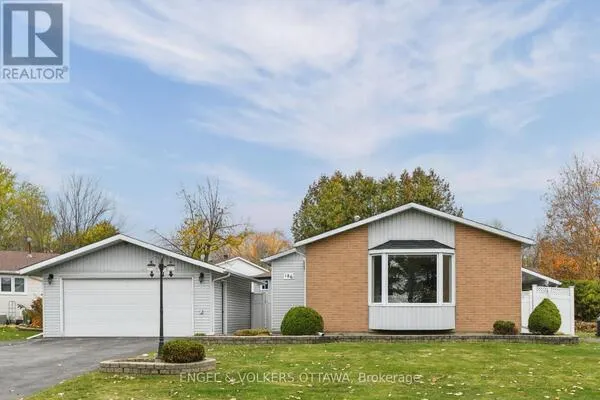
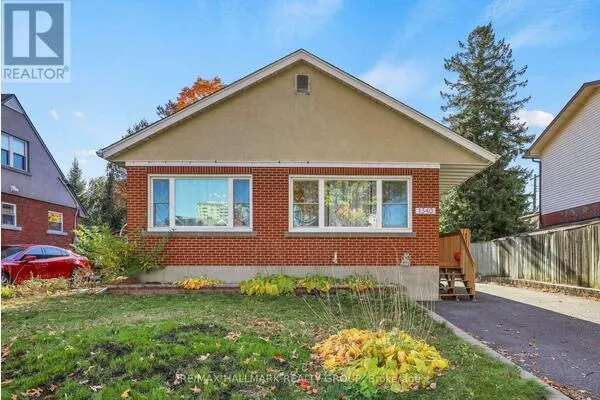
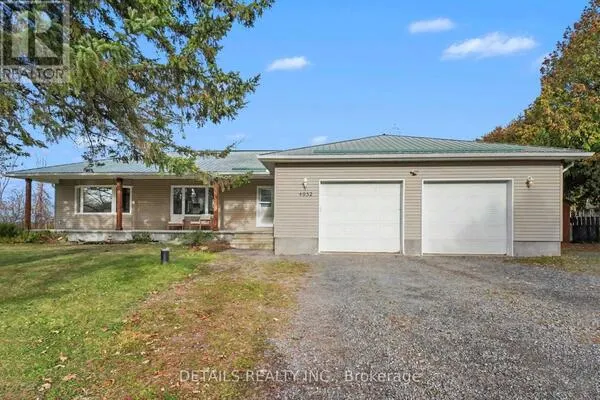
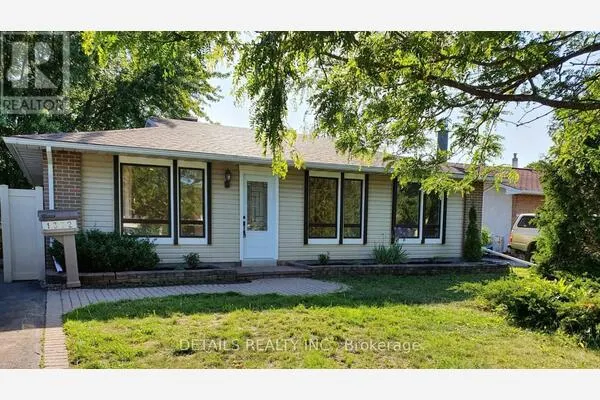
A single storey over a full basement, with the main floor close to grade. This is the classic Ottawa bungalow and the one that genuinely delivers barrier-free living.
Best for:
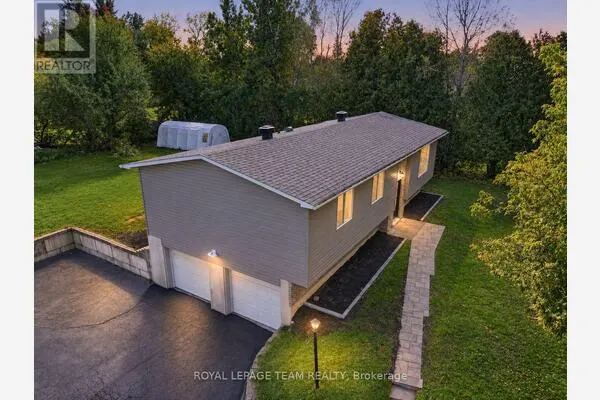
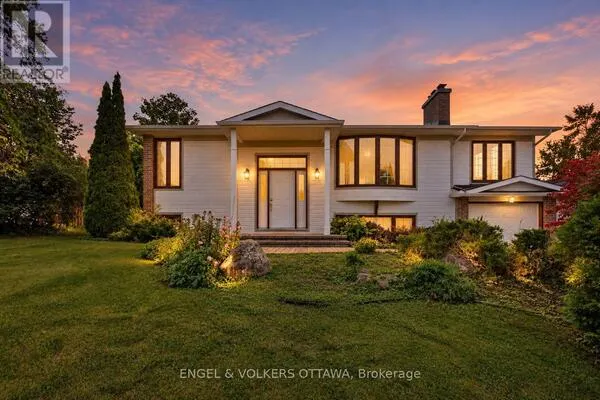
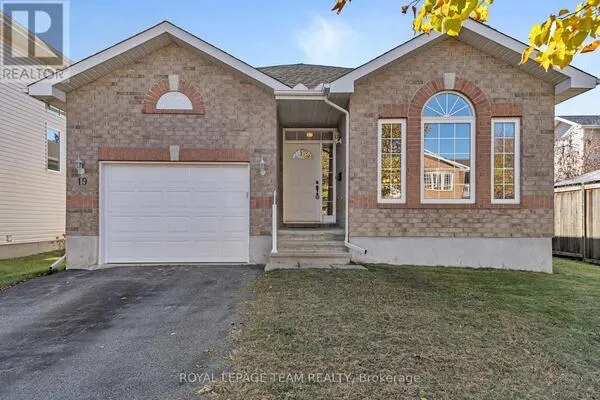
Also a single storey, but lifted so the basement sits partly above grade with full-size windows. You climb half a flight to the main floor, and half a flight down to a bright lower level.
Best for:
A bungalow with a partial second level — usually a loft or a bedroom-and-bath suite over part of the footprint. The primary bedroom normally stays on the main floor.
Best for:
Not a bungalow, though they’re often searched alongside them. Living space is staggered across three or four half-levels connected by short flights of stairs.
Worth knowing:
| Type | Main floor access | Typical Ottawa era | Suite potential |
|---|---|---|---|
| True bungalow | At or near grade — no interior stairs | 1950s–1970s, plus new rural builds | Good — depends on basement ceiling height and window size |
| Raised bungalow | Half a flight up from the entry | 1960s–1980s | Strong — above-grade windows are already in place |
| Bungalow-loft | At grade, with a partial upper level | 1990s onward, mostly suburban | Moderate — varies widely by builder |
| Split-level / backsplit | Multiple half-flights throughout | 1960s–1970s | Limited — the staggered layout makes separation difficult |
If accessibility is the reason you’re shopping for a bungalow, confirm the type before booking a showing — raised bungalows and backsplits are regularly listed under bungalow searches and neither one is step-free.
Ottawa bungalow prices span a wide range because the category covers everything from a modest post-war home on a small suburban lot to a custom executive build on acreage. Entry-level bungalows are generally found in the city’s established inner suburbs and in the smaller communities west and south of Ottawa, mid-range bungalows in the newer suburban subdivisions, and the top of the market in the rural and waterfront areas around Manotick, Greely and Carleton Place. Current active listings and their prices are shown above, updated daily from the MLS®.
Broad price bands by area, based on recent sold data:
| Area | Typical bungalow | Typical price range | Lot size |
|---|---|---|---|
| Alta Vista & Elmvale Acres | Post-war three-bedroom, full basement | [[ $ – $ ]] | [[ ]] |
| Stittsville & Kanata | Family-sized, mix of eras | [[ $ – $ ]] | [[ ]] |
| Barrhaven & Riverside South | Newer single-level and bungalow-loft builds | [[ $ – $ ]] | [[ ]] |
| Orleans & Chapel Hill | Established suburban, often raised | [[ $ – $ ]] | [[ ]] |
| Manotick & Greely | Executive builds on private lots | [[ $ – $ ]] | [[ ]] |
| Carleton Place & Almonte | Village and rural bungalows | [[ $ – $ ]] | [[ ]] |
Ranges reflect sold prices over the [[ period ]] and are updated [[ frequency ]]. Last reviewed [[ month, year ]].
A 1,500 sq ft bungalow needs roughly twice the foundation and twice the roof of a 1,500 sq ft two-storey, and it needs a wider lot to sit on. That’s why comparing bungalows to two-storey homes on price per square foot alone is misleading — you’re buying more land and more building envelope, not just floor area.
A note on the figures above. Price ranges move with the market and these bands are a starting point, not an appraisal. For what a specific bungalow is actually worth today — or what yours would sell for — request a home evaluation or get in touch and I’ll pull the comparable sales for that street.
Bungalow supply is not spread evenly across the city. These are the areas worth setting up alerts for, and what you can expect from each.
Family-friendly and accessible layouts. A good mix of older village bungalows in Stittsville and newer single-level product on the Kanata side, with quick access to the tech park and the 417.
Modern single-level new builds. This is where you’ll find most of Ottawa’s recent bungalow and bungalow-loft construction — newer mechanicals, current insulation standards, and layouts designed for downsizers.
Affordable and quiet neighbourhood options. Established east-end streets with mature trees, a high proportion of raised bungalows, and generally the most attainable entry point for a detached one-level home.
Larger executive bungalows on private lots. Half-acre and up is normal here, often with detached garages, well and septic, and the kind of custom single-storey builds that rarely come up inside the Greenbelt.
Rural charm and excellent value. Roughly 30–40 minutes west of downtown, with village bungalows and rural properties that price well below their Ottawa equivalents.
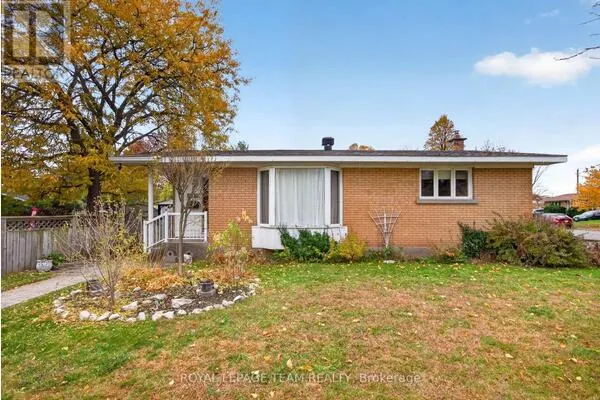
Ottawa’s densest concentration of true 1950s–60s bungalows — Alta Vista, Elmvale Acres, Applewood Acres, Carlington, Copeland Park, Whitehaven and Manor Park. Solid brick, big lots, minutes from the core, and the most likely candidates for a renovation or a rebuild.
Four groups compete for the same bungalows in Ottawa, which is exactly why they hold value. If you recognise yourself in one of these, a bungalow is likely the right search:
If you’re moving out of a family home and haven’t decided between a bungalow, a condo or a townhome yet, read the downsizing guide first — it walks through the trade-offs before you commit to a search.
Most of Ottawa’s true bungalows are sixty to seventy years old. That’s not a problem — they were generally built well, on lots nobody would subdivide that generously today — but there is a predictable list of things that come up in this vintage, and knowing them changes what you offer and what conditions you write in.
Large parts of Ottawa sit on sensitive marine clay, which shrinks in drought and swells when it rehydrates. On a single-storey home the resulting movement shows up quickly.
What to look for: diagonal cracking at window and door corners, doors that stick seasonally, sloping floors, and any recent underpinning or pier work in the disclosure.
60-amp service and knob-and-tube wiring both turn up in homes of this era. Some insurers will decline coverage or require an upgrade as a condition of binding a policy.
What to look for: the panel rating, fuses rather than breakers, cloth-sheathed wiring in the basement joists, and whether an ESA certificate exists for past work.
Vermiculite attic insulation installed before the mid-1980s may contain amphibole asbestos. Asbestos also appears in older floor tile, pipe wrap and some plaster.
What to look for: loose grey-brown pebbly attic insulation. Don’t disturb it — have it tested and get abatement quoted before you firm up.
Homes that once had oil heat sometimes still have the tank in the ground. Ontario has specific requirements for fuel oil systems, and a leaking tank is an environmental liability that follows the property.
What to look for: a capped fill pipe or vent on an exterior wall, an abandoned tank in the basement, and documentation for any removal.
Bungalows have a large roof area draining onto a relatively small lot perimeter, and older drainage was rarely designed for the rainfall Ottawa now gets.
What to look for: downspouts discharging at the foundation, negative grading, weeping tile age, and whether there is a backwater valve and a working sump.
If part of your plan is a secondary unit, the basement has to actually support one. Ceiling height and egress windows are the two things that most often kill the idea.
What to look for: finished ceiling height, existing window openings and wells, a second means of egress, and whether any existing suite was permitted.
Ottawa’s new comprehensive Zoning By-law (2026-50) permits more units on typical low-rise residential lots than the previous by-law did, which makes a wide bungalow lot more interesting than it used to be. What’s permitted still depends on your specific zone, lot and servicing, and the Ontario Building Code requirements for a legal secondary unit apply regardless. Confirm with the City of Ottawa before you buy on that basis — and let’s talk through it before you write the offer, not after.
None of the above replaces an inspection. This is what I’d flag walking through with you — it is not a home inspection, a structural opinion, or legal advice. Always retain your own qualified home inspector, and speak to your own lawyer, insurer and lender about anything that turns up.
If you’re a senior homeowner or downsizer planning your next move, I can help you sell your current bungalow for top value — and even assist with your next purchase.
Bungalows attract the widest buyer pool of any home type in Ottawa, but only if the listing is built to reach all of it. That means pricing against the right comparables — not the two-storey down the street — and marketing the things bungalow buyers actually search for: the lot, the main-floor layout, the basement’s potential, and step-free access.
Timing matters too. If you’re buying and selling in the same market, the order you do it in changes your negotiating position considerably, and that conversation is worth having before anything goes on the market.
Get a Free Home EvaluationOttawa bungalow prices cover a wide range because the category includes everything from modest post-war homes in the established inner suburbs to custom executive builds on acreage. The most attainable options are generally found in Orleans, Carleton Place and Almonte, mid-range bungalows in Barrhaven, Kanata and Stittsville, and the top of the market in Manotick and Greely. The listings above show current active prices, updated daily from the MLS®.
A true bungalow has its main floor at or near ground level, so you enter and live entirely on one level with no interior stairs. A raised bungalow is lifted so that the basement sits partly above grade with full-size windows, which means you climb roughly half a flight of stairs from the entry to reach the main floor. Raised bungalows give you a brighter, more usable lower level and are easier to convert into a suite, but they are not step-free and are not the right choice if barrier-free access is your main reason for buying a bungalow.
A bungalow needs roughly twice the foundation area and twice the roof area of a two-storey home with the same interior square footage, and it needs a wider lot to sit on. You are buying more land and more building envelope for the same floor area, which is why comparing the two on price per square foot alone is misleading. Limited supply adds to it: very few new single-storey homes are built inside the Greenbelt, so most of Ottawa’s bungalow stock is fixed.
Bungalows have historically held their value well in Ottawa for two structural reasons. First, the supply is effectively capped — almost no new single-storey homes are built in the established parts of the city. Second, they draw from several buyer pools at once: downsizers, retirees, multigenerational households, families who want a large lot, and builders who want the land. Wide lots and full basements also give you options that other home types don’t, from a secondary unit to an addition to a rebuild. As with any property, the specific home, street and condition matter more than the category.
Often, yes — a full basement under a wide footprint is the easiest kind of space to convert, and Ottawa’s new comprehensive Zoning By-law (2026-50) permits more units on typical low-rise residential lots than the previous by-law did. Whether it works on a particular property depends on the zoning for that lot, the servicing, and the Ontario Building Code requirements for a legal secondary unit — most commonly ceiling height, egress windows, fire separation and a second means of exit. Confirm the specifics with the City of Ottawa before buying a home on that basis.
The densest concentration of true 1950s and 1960s bungalows is in Ottawa’s inner suburbs — Alta Vista, Elmvale Acres, Applewood Acres, Carlington, Copeland Park, Whitehaven and Manor Park. Beyond that, Orleans and Chapel Hill have a high proportion of raised bungalows, Barrhaven and Riverside South have most of the newer single-level and bungalow-loft construction, and Manotick, Greely, Carleton Place and Almonte offer larger bungalows on private and rural lots.
The recurring items in Ottawa homes of this vintage are foundation movement caused by sensitive marine clay, 60-amp electrical service or knob-and-tube wiring that may affect insurance, vermiculite attic insulation that may contain asbestos, buried or abandoned fuel oil tanks, and drainage that was never designed for current rainfall. If a basement suite is part of your plan, check ceiling height and egress window sizes early, because those are what usually make a conversion impossible. Retain your own qualified home inspector for any property you are serious about.
They can. A bungalow has more roof and more slab area relative to its interior volume than a two-storey home of the same square footage, so there is more surface through which heat is lost. Against that, single-storey homes have no stack effect between floors and heat more evenly, and a newer bungalow built to current insulation standards may outperform an older two-storey comfortably. The age and condition of the building envelope and mechanicals matter far more than the shape of the house.
Yes, though they are concentrated in specific areas. Most new single-level and bungalow-loft construction in Ottawa is in Barrhaven, Riverside South, Kanata and Stittsville, with custom builds available on rural and estate lots in Manotick, Greely and the communities west of the city. New builds give you current insulation and mechanical standards and a layout designed around single-level living, but they typically come with smaller lots than the older stock in the inner suburbs.
Bungalows in the most-searched price bands often sell quickly, so seeing them the day they list matters. Get in touch and I will set up a saved search matched to your criteria — area, price, bedrooms, lot size and bungalow type — so new listings reach you as soon as they hit the MLS® rather than after they appear on the public portals.
Planning a move rather than just browsing? See the complete guide to reasons people sell their homes in Ottawa
If something above caught your eye, let’s go and see it. And if nothing has come up yet, I’ll set up a search so the right bungalow reaches you the day it lists.
No pressure, no drip campaign — just an honest read on whether a property is worth your time, and what it should actually sell for.
Book a Private Viewing Get a Free Home Evaluation